

History
For me, history is about curiosity. I want children to ask questions, investigate evidence and realise that history isn't simply about remembering facts — it's about understanding people, ideas and the events that have shaped the world we live in today. If our children leave Grafton believing they are curious historians who enjoy asking 'Why?' and 'How do we know?', then we've succeeded.
History Lead, Robyn Parry
History helps us understand who we are, where we have come from and how the world around us has been shaped.
At Grafton Primary School, we want every child to become a curious historian. We believe history is about much more than learning dates and famous names. It is about asking thoughtful questions, exploring evidence, thinking critically and discovering that there can be different interpretations of the past.
Through enquiry, discussion and first-hand experiences, children learn to investigate the past while developing the curiosity, confidence and analytical skills that will stay with them long after they leave primary school.
Learning to Think Like Historians
Every history topic begins with a question.
Rather than simply telling children what happened, we encourage them to investigate for themselves. They examine artefacts, study historical sources, compare evidence and discuss different viewpoints before reaching their own conclusions.
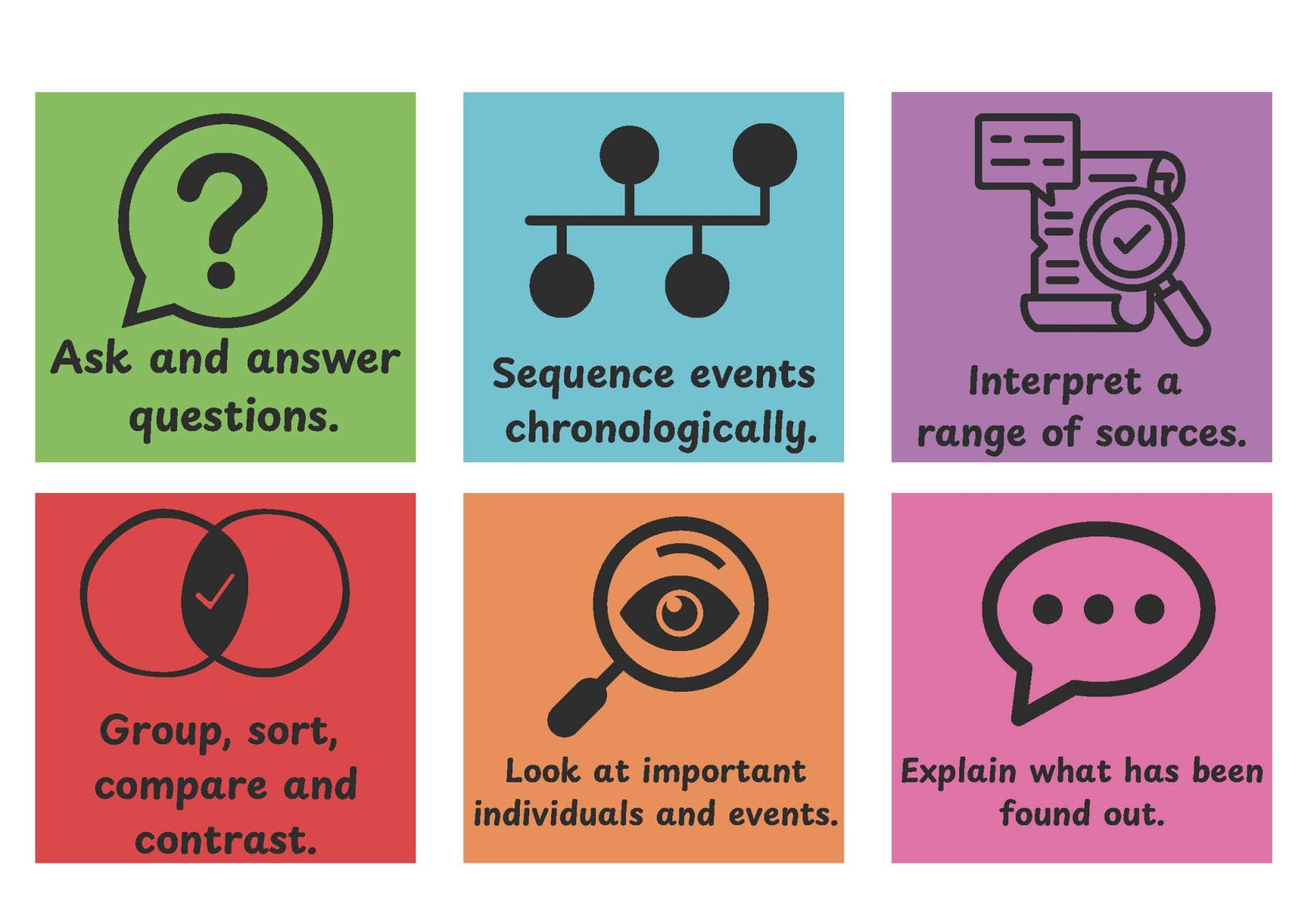
As they move through the school, children become increasingly confident historians who can:
- ask thoughtful historical questions
- place events in chronological order
- interpret different sources of evidence
- explain cause and consequence
- recognise that history can be viewed from different perspectives
- make connections between the past and the present.
Bringing History to Life
History comes alive when children can experience it for themselves.
Across the school, learning is enriched through artefacts, storytelling, role play, educational visits and creative projects that immerse children in the periods they are studying. Class assemblies often become living history performances, with children working alongside our Music Lead to recreate significant moments from the past through drama and song.
Children also work with our resident artist to create historical artwork and models, helping them connect creatively with different civilisations, cultures and events.
Making History Relevant
History helps children understand the world they live in today.
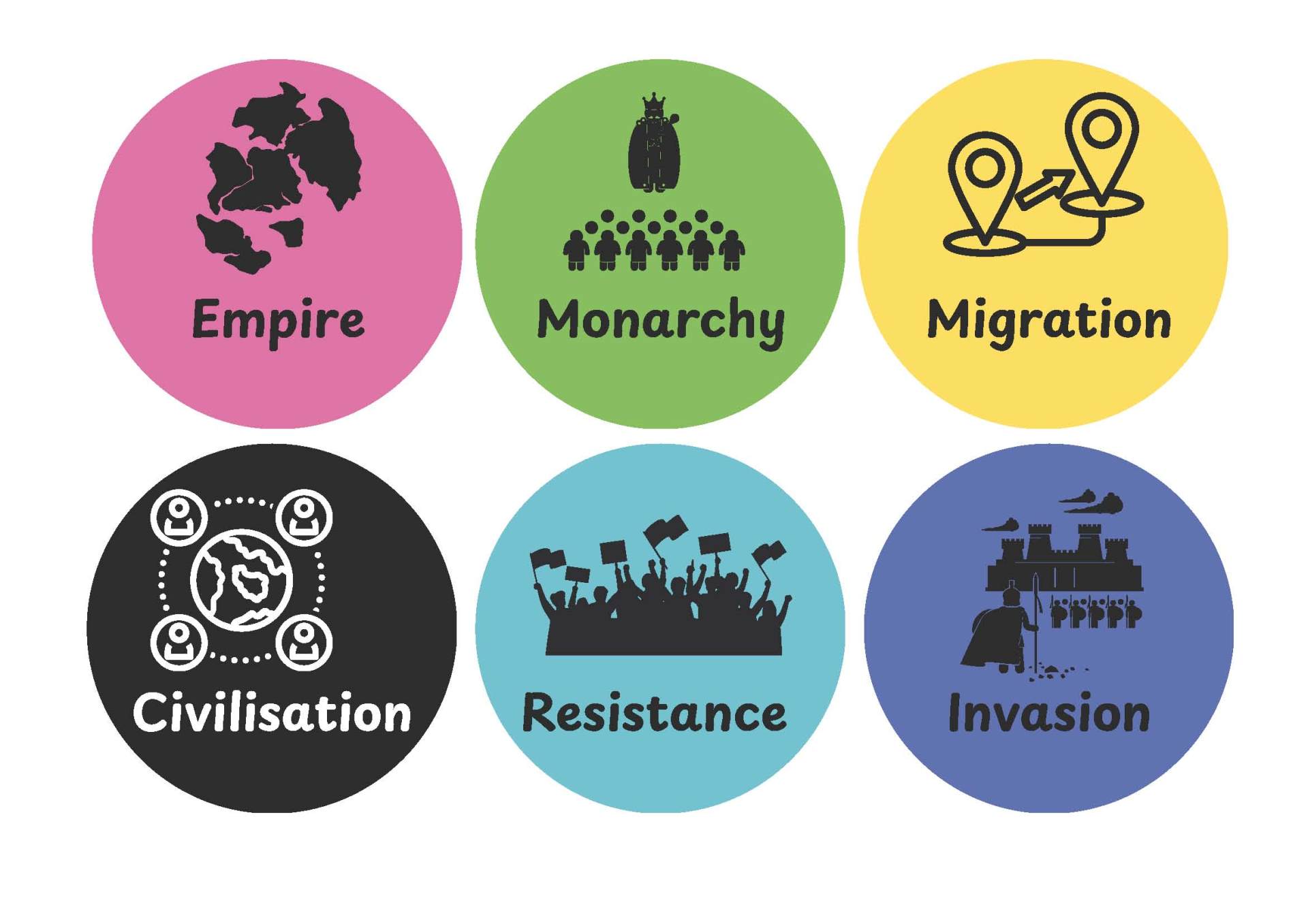
Whether exploring migration, monarchy, resistance, civilisation or invasion, children begin to recognise how past events continue to influence modern society. They discover that many of today's ideas, communities and traditions have deep historical roots.
Because our school community reflects cultures from across the world, children are able to bring their own experiences, family stories and heritage into lessons, enriching learning for everyone. History becomes something that belongs to every child.
History Across the Curriculum
History does not exist in isolation.
Children write historical diaries and persuasive arguments in English, create artwork inspired by different periods, explore historical locations through Geography and perform music linked to the civilisations they study. These meaningful connections help children see that learning is interconnected and that history touches every aspect of life.
A Curriculum for Every Child
We believe every child can become a successful historian.
Lessons are carefully adapted so that all learners can access ambitious historical thinking. Visual resources, storytelling, artefacts, discussion and carefully introduced vocabulary help every child engage with complex ideas, including those learning English as an additional language or requiring additional support.
History Through Our Values
Everything we teach in History reflects the values that shape life at Grafton Primary School.
Love – Developing an appreciation of our own heritage and the stories of others.
Creativity – Bringing the past to life through role play, art, storytelling and historical interpretation.
Kindness – Building empathy by understanding the lives, experiences and perspectives of people from different times and cultures.
Inclusion – Celebrating diverse histories and ensuring every child sees themselves reflected within the curriculum.
Resilience – Learning how individuals and communities overcame challenge, inspiring children to persevere in their own lives.
Empowerment – Equipping children to question evidence, think critically and understand that they, too, can shape the future.
When children leave Grafton Primary School, we hope they leave with more than historical knowledge.
- We hope they leave with curiosity.
- We hope they ask thoughtful questions.
- We hope they understand that evidence matters and that different perspectives deserve consideration.
- We hope they appreciate the people and events that have shaped our world.
Above all, we hope they leave believing that they are historians — curious, thoughtful young people who enjoy exploring the past to better understand the future.
Documents